What Did These Places Actually Look Like?
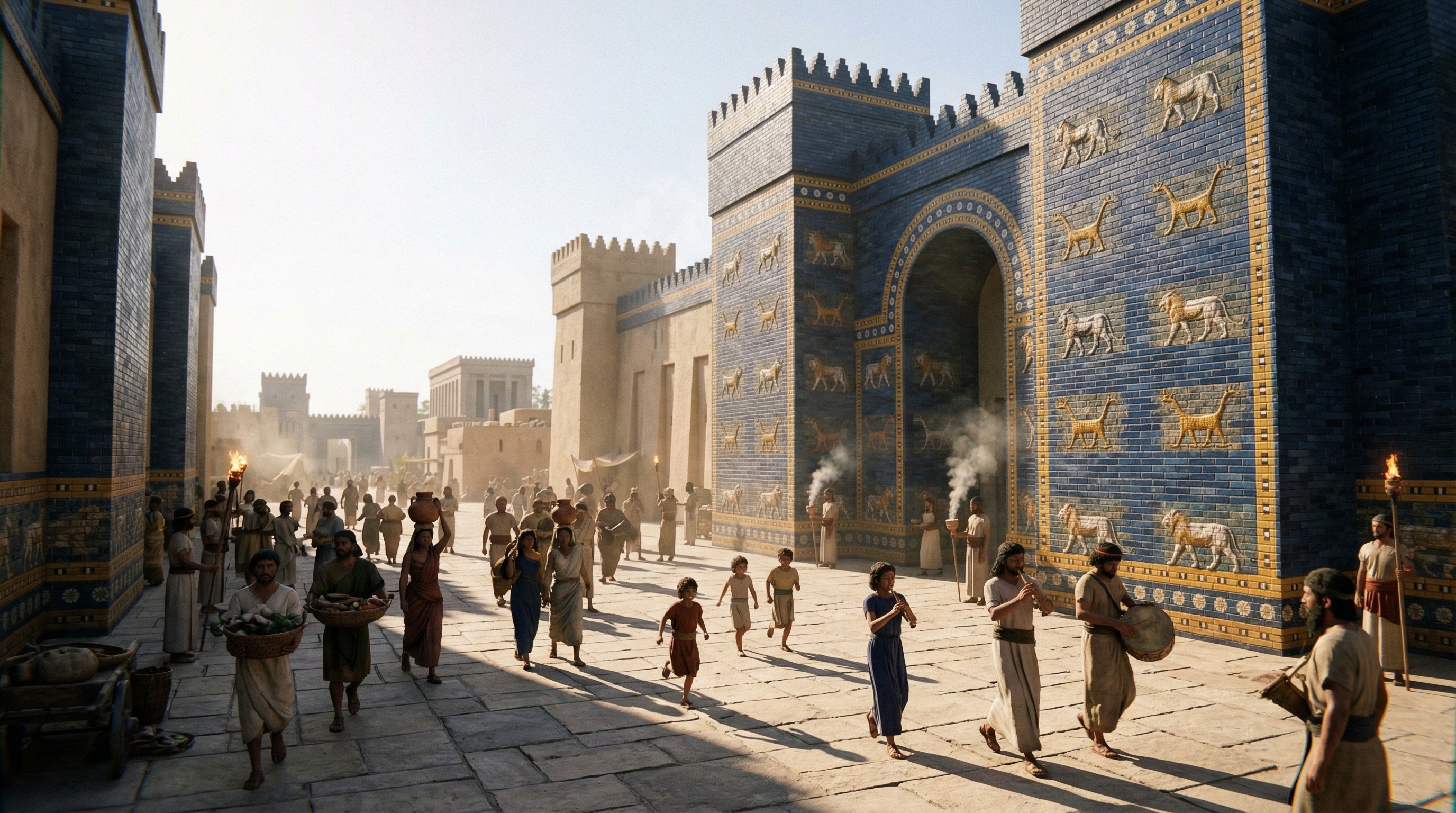
Babylon
Babylon was one of ancient Mesopotamia’s major capitals and ritual centers, where political power and cultic life concentrated resources and skilled labor. Physically it combined broad, heavy mudbrick building volumes for most of the city with selectively fired and glazed‑brick faces on gates, temples and palaces placed along canals and ceremonial axes so the state’s presence read from a distance.
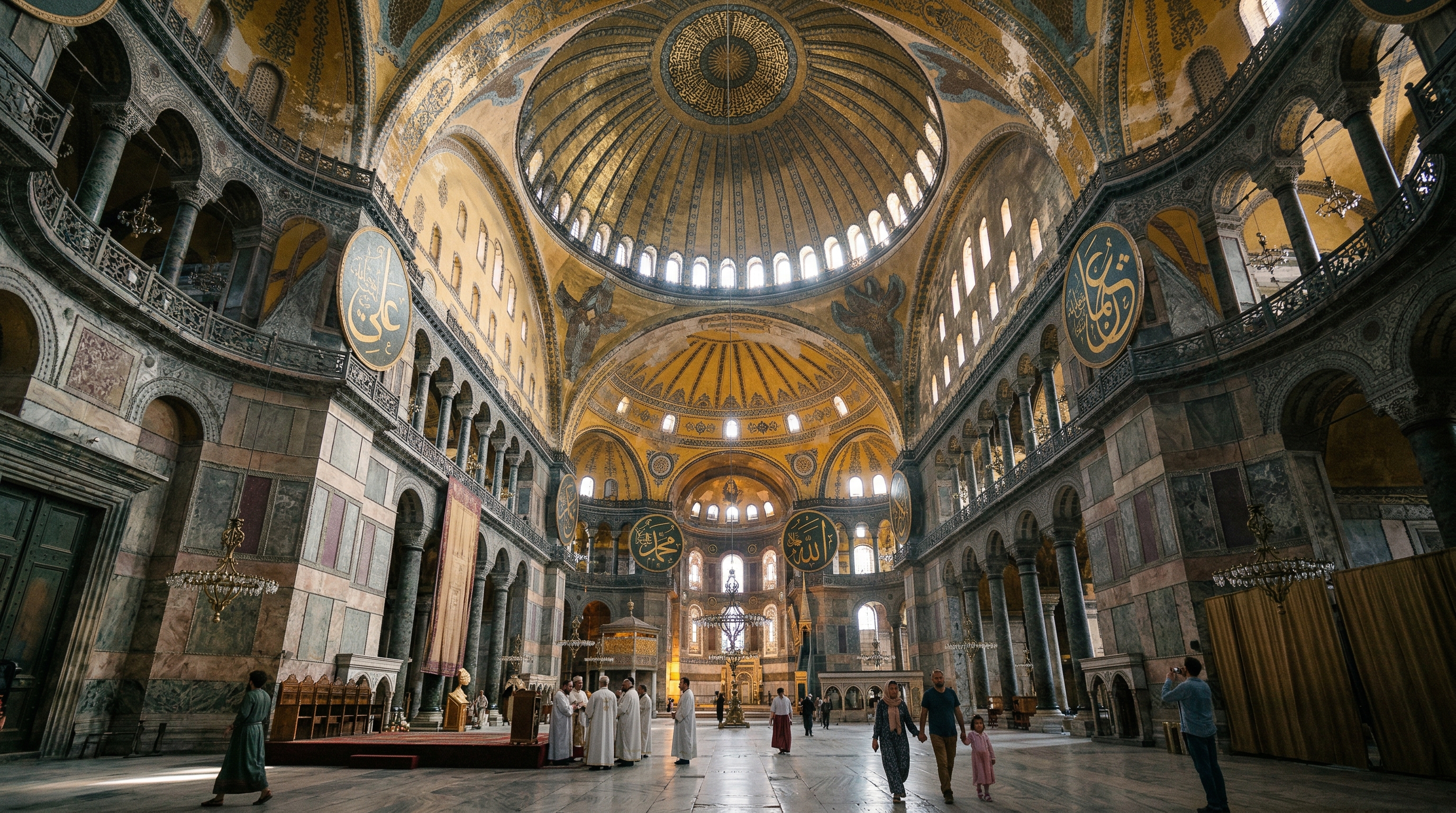
Classical Constantinople
Constantinople made politics legible by rearranging the Mediterranean past: emperors moved obelisks, porphyry shafts and marble to compose a city that read like a public argument. People experienced authority where processions, grain deliveries and engineered water met — power here was something you encountered in the order of streets, the shine of stone and the sound of reservoirs.
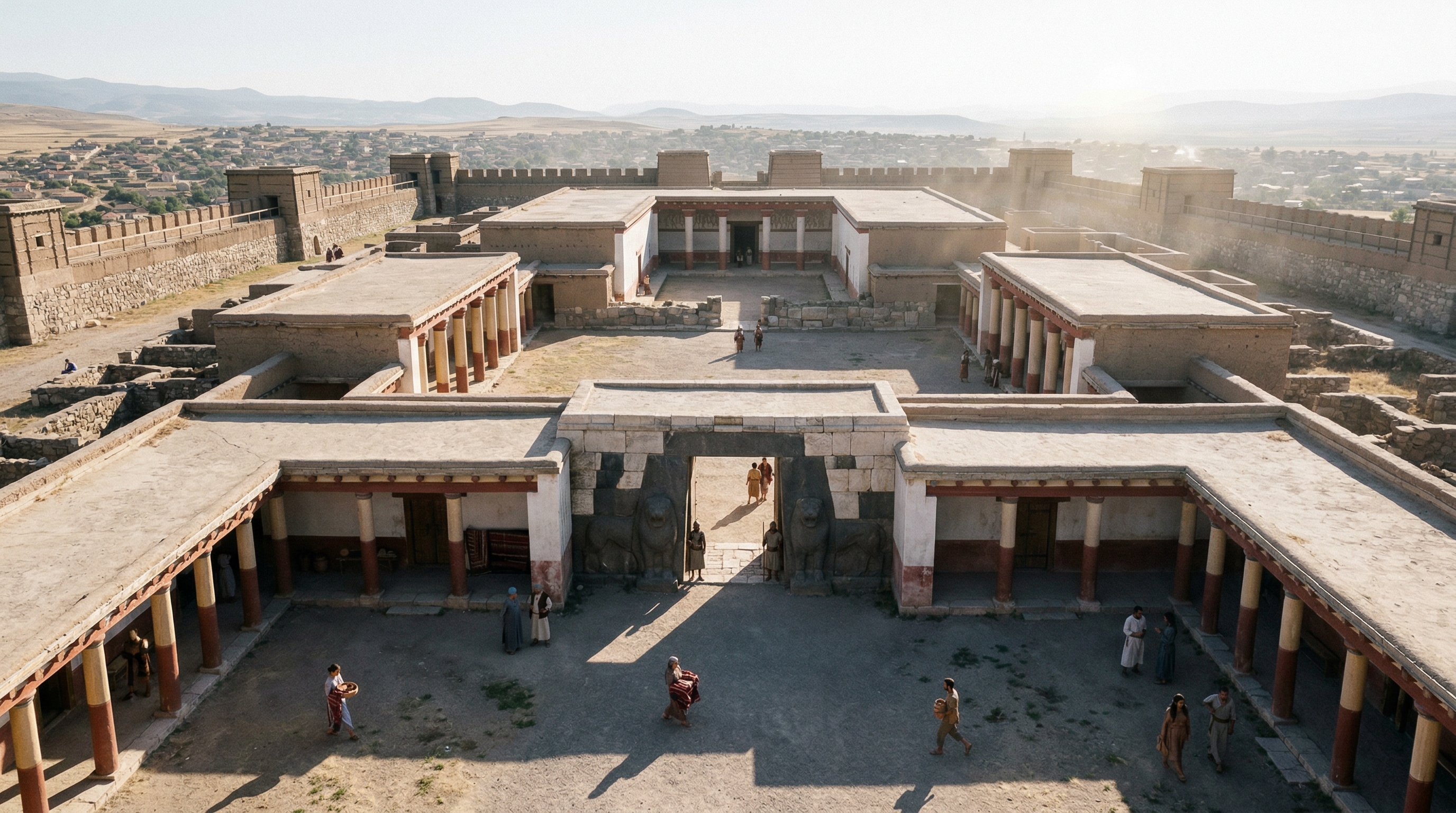
Hattusa
Hattusa arranged permanence and ephemerality so deliberately that moving through the city was also a political act: carved stone gates and rock sanctuaries marked fixed points, while most houses were built to be repaired and replaced. That contrast — public stone and private mudbrick, backed by thousands of clay tablets — forces a single question: how did a state use durable thresholds and intensive record‑keeping together to organise power and ritual?

Persepolis
On a raised, engineered terrace the Achaemenid court turned rule into a staged performance: staircases, gates, and columned halls choreographed how subjects approached the king. Carved delegations, roofed halls, and storehouses together converted diversity into a visible, routinized order.
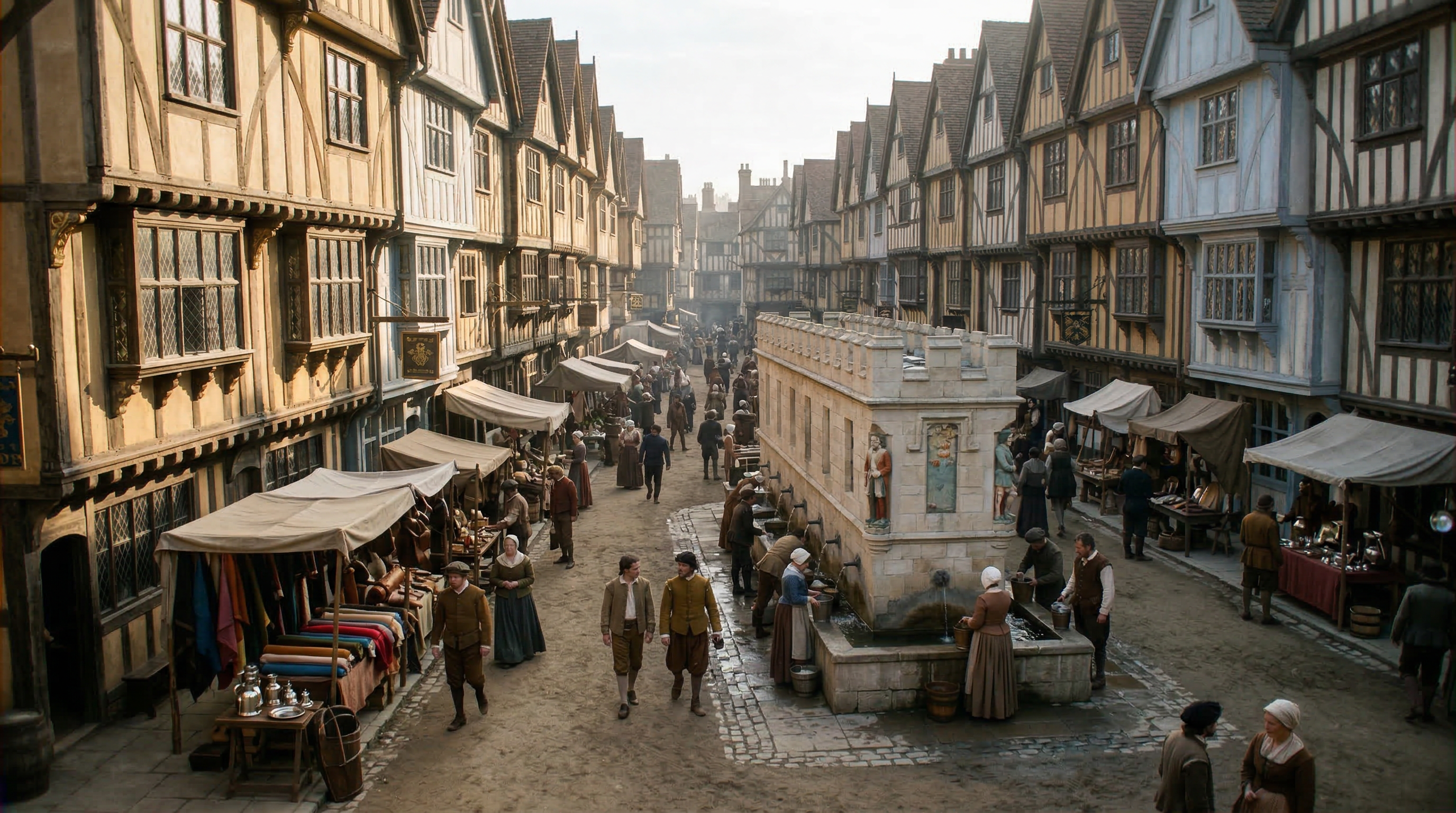
Renaissance London
Surprise: Renaissance London was not a uniform black‑and‑white village of low cottages. It is a dense, vertical, and often brightly coloured metropolis—tightly packed multi‑storey timber and brick houses with projecting upper floors, bustling market streets, and a heavily worked Thames crowded with wharves and boats.

Syracuse
In Syracuse, architecture performed politics: temples, walls, ship-sheds and quarries turned military success into public authority. Walk its harbours and you read who paid for ships, who owned grain, and who was kept below in the quarries.

Thebes
Between 379 and 335 BCE Thebes turned temples and tight, disciplined infantry into instruments of state power: a city that made public ritual and a new style of hoplite warfare into its claim on Greece. Its skyline was the Cadmea and temple roofs; its politics moved through the agora and the Boeotian synedrion, while fields beyond hosted the battles that decided its fate.

Tyre
Tyre turned a narrow strip of island and shore into a machine for making and moving value: ships, purple cloth, and religious authority traveled from its quays into every corner of the Mediterranean. That concentrated expertise made Tyre powerful — and, when a land power learned to close the gap to the sea, suddenly vulnerable.